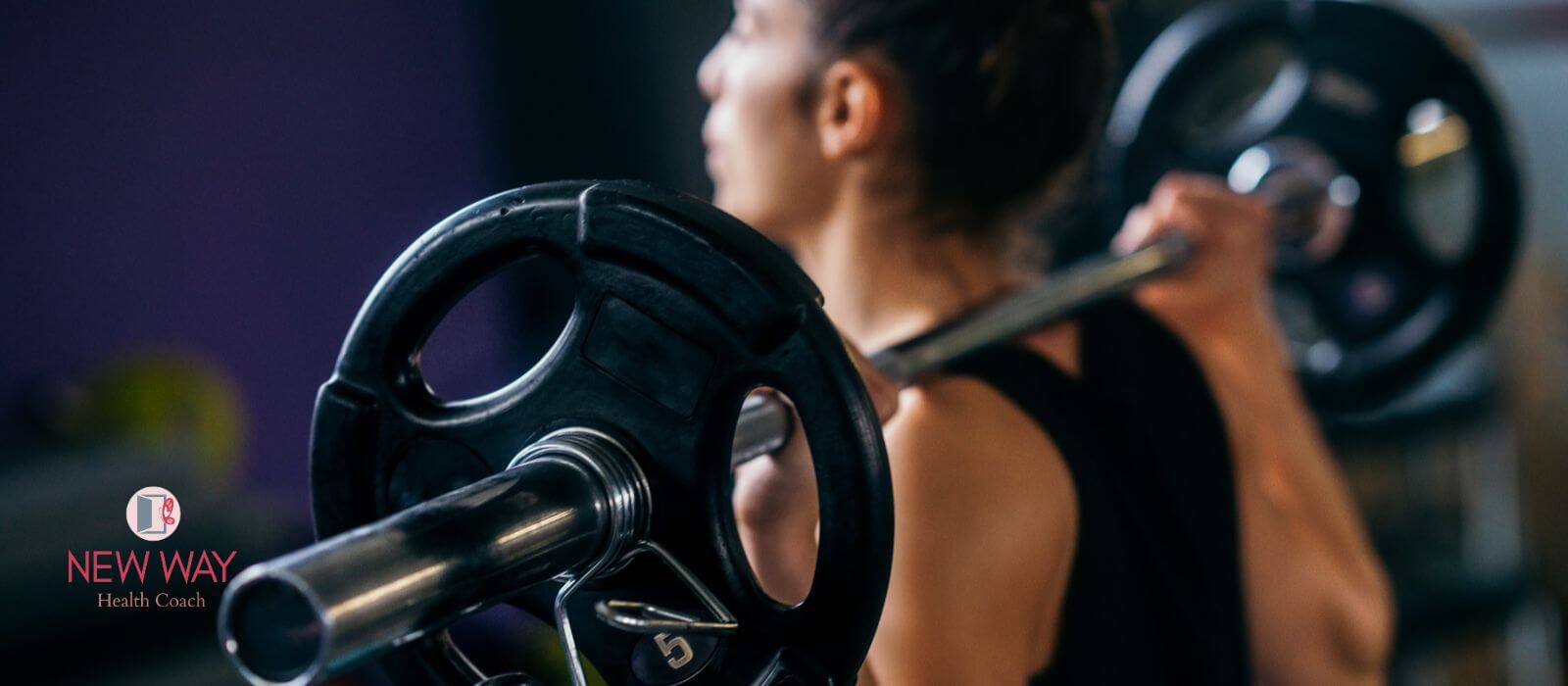
Strength training has evolved far beyond the outdated idea of “lifting weights to bulk up.” Today, lifting heavy is recognized as one of the most powerful tools for supporting metabolism, longevity, confidence, mobility, and overall health.
Whether you are new to fitness or already active, incorporating heavier resistance training into your routine can create significant benefits for both body and mind.
The key is learning how to start safely, progress gradually, and choose the right support system along the way.
What Does “Lifting Heavy” Actually Mean?
Lifting heavy does not mean trying to pick up the heaviest weight in the gym on day one.
“Heavy” is relative to your body and fitness level.
A weight is considered heavy when it challenges your muscles enough that the last few repetitions feel difficult while still maintaining proper form.
Generally, strength training for heavier lifting falls within:
- 4–8 repetitions per set
- Moderate to heavy resistance
- Longer recovery periods between sets
- Focus on controlled movement and good form
The goal is not to rush through reps but to build strength, muscle quality, and resilience over time.
Why Lifting Heavy Matters
Many people rely solely on cardio or lighter resistance bands, believing this is enough to stay fit. I used to think this too!
While movement of all kinds is beneficial, lifting heavier weights offers unique advantages that support long-term health and body composition.
Benefits of Lifting Heavy
- Builds lean muscle mass
- Supports healthy metabolism
- Improves bone density
- Enhances posture and stability
- Helps regulate blood sugar
- Improves body composition
- Increases confidence and resilience
- Supports healthy aging
- Reduces injury risk by strengthening connective tissues
- Improves balance and coordination
Strength training is especially important as we age because muscle naturally declines over time if not actively maintained.
Benefits of Heavy Strength Training for Women
Many women fear lifting heavy due to myths about becoming “bulky.” In reality, women generally do not produce enough testosterone to build large amounts of muscle mass in the same way men do.
Instead, lifting heavy often creates a leaner, stronger, and more defined physique.
Benefits for Women
- Supports hormonal balance
- Improves insulin sensitivity
- Preserves lean muscle during perimenopause and menopause
- Supports bone density and osteoporosis prevention
- Helps improve posture and core stability
- Increases daily energy
- Builds confidence and body awareness
- Supports fat loss while maintaining muscle
Women often notice improved mood, better sleep, increased strength, and greater resilience when strength training consistently.
Benefits of Heavy Strength Training for Men
For men, lifting heavy supports muscle development, metabolism, and long-term physical performance.
Benefits for Men
- Increases muscle mass and strength
- Supports healthy testosterone levels
- Improves athletic performance
- Enhances metabolism
- Supports fat loss
- Builds joint stability
- Improves mobility and posture
- Helps maintain physical function as aging occurs
Heavy lifting can also help improve mental discipline, stress management, and confidence.
Why Strength Training Matters as You Age
One of the biggest reasons to lift weights is to protect your future health.
After age 30, adults naturally begin to lose muscle mass—a process called sarcopenia. Yes, it begins at 30!
Without resistance training, this decline can contribute to:
- Slower metabolism and eventual increase of belly fat
- Reduced mobility
- Loss of strength
- Increased injury risk
- Poor balance
- Reduced bone density
Strength training helps counteract these effects by preserving muscle and maintaining independence as you age. I don’t know about you but I want to be active for the rest of my life!
How to Begin Strength Training Safely
Starting strength training can feel intimidating, especially if you are unfamiliar with gym equipment or proper technique.
The good news is that everyone starts somewhere.
Step 1: Begin with Foundational Movements
Focus on learning basic movement patterns first.
These include:
- Squats
- Deadlifts
- Lunges
- Rows
- Push-ups
- Shoulder presses
- Hip hinges
- Core stability exercises
These compound movements recruit multiple muscle groups and create a strong foundation.
Step 2: Prioritize Form versus Weight
Good form is essential.
Begin with bodyweight exercises or lighter dumbbells to master movement mechanics.
Poor form can increase injury risk and slow progress.
Step 3: Use Progressive Overload
Progressive overload means gradually increasing resistance over time.
This may include:
- Increasing weight
- Adding more repetitions
- Increasing training volume
- Improving range of motion
- Reducing rest time strategically
Small increases create lasting results.
Step 4: Train Consistently
Consistency matters more than intensity.
Aim for:
- 2–4 strength training sessions per week
- Recovery days between heavier workouts
- Balanced training across muscle groups
How to Progressively Lift Heavier
Once you feel comfortable with foundational exercises, you can begin increasing resistance.
A Simple Progressive Strategy
- Start with a manageable weight
- Complete 8–12 repetitions with good form
- When the last repetitions no longer feel challenging, increase weight slightly
- Increase gradually rather than making large jumps
- Keep a training log to track progress – so important!
Progress may not happen every week, and that is completely normal.
Strength is built through consistency over time.
Why Hiring a Trainer Can Be a Smart Investment
Working with a qualified trainer can accelerate progress, improve safety, and boost confidence.
A trainer helps ensure:
- Proper technique
- Personalized programming
- Accountability
- Injury prevention
- Correct exercise progression
- Better understanding of equipment and movement patterns
For beginners, a trainer can make the gym feel significantly less overwhelming.
How to Find a Good Weight Lifting Trainer
Not all trainers are created equal.
The right trainer should understand your goals, body mechanics, fitness level, and any physical limitations.
What to Look for in a Trainer
- Nationally recognized certification
- Strength training specialization
- Experience working with your demographic or goals
- Strong communication skills
- Focus on form and safety
- Ability to modify exercises
- Positive client testimonials
- Comfortable coaching style
Questions to Ask a Potential Trainer
- What certifications do you hold?
- What type of clients do you usually work with?
- How do you build strength programs?
- How do you monitor progress?
- Do you focus on corrective movement and injury prevention?
- How do you adapt workouts for beginners?
You should feel comfortable, supported, and heard when working with a trainer.
Popular Apps for Strength Training Programs
Technology can be a great tool for building structure and accountability.
There are several apps that offer guided strength workouts, tracking, and progression plans.
Popular Weight Training Apps
- Strong
- Fitbod
- Ladder (my absolute favorite!)
- Nike Training Club
- JEFIT
- Future
- Centr
- Sweat
- TrainHeroic
- Peloton Strength
These apps often include:
- Guided workout plans
- Exercise demonstrations
- Progress tracking
- Strength programming
- Customization options
Apps can be helpful for staying organized, especially if you prefer training independently.
Common Myths About Lifting Heavy
Myth: Lifting Heavy Makes Women Bulky
Reality: Most women develop lean muscle definition and improved body composition.
Myth: Strength Training Is Only for Young People
Reality: Strength training is beneficial at every age.
Myth: Cardio Is Better for Weight Loss
Reality: Strength training supports metabolism and helps preserve lean muscle during fat loss. I can’t believe we are even still talking about this one!
Myth: You Need Hours in the Gym
Reality: Effective strength training sessions can be completed in 30–45 minutes. This is ideal!
The Bottom Line
Lifting heavy is not about extremes—it is about building a stronger, healthier body that supports you now and in the future.
Strength training improves metabolism, bone health, body composition, confidence, and resilience.
For both men and women, lifting weights can become one of the most empowering investments in long-term wellness.
The most important step is simply getting started.
Start where you are, focus on proper form, progress gradually, and build strength over time.
Need Support Navigating Strength, Wellness, and Healthy Habits?
At New Way Health Coach, our coaching team understands that wellness is not just about workouts—it is about building sustainable habits that fit your life.
We help clients navigate:
- Healthy lifestyle habits
- Nutrition support
- Energy and metabolism
- Hormone health
- Accountability and wellness planning
Whether you are just starting or looking to optimize your routine, having a trusted health partner can make all the difference.
You do not have to figure it out alone.
Our coaching team is here to help you create a realistic, personalized path toward long-term health and strength.