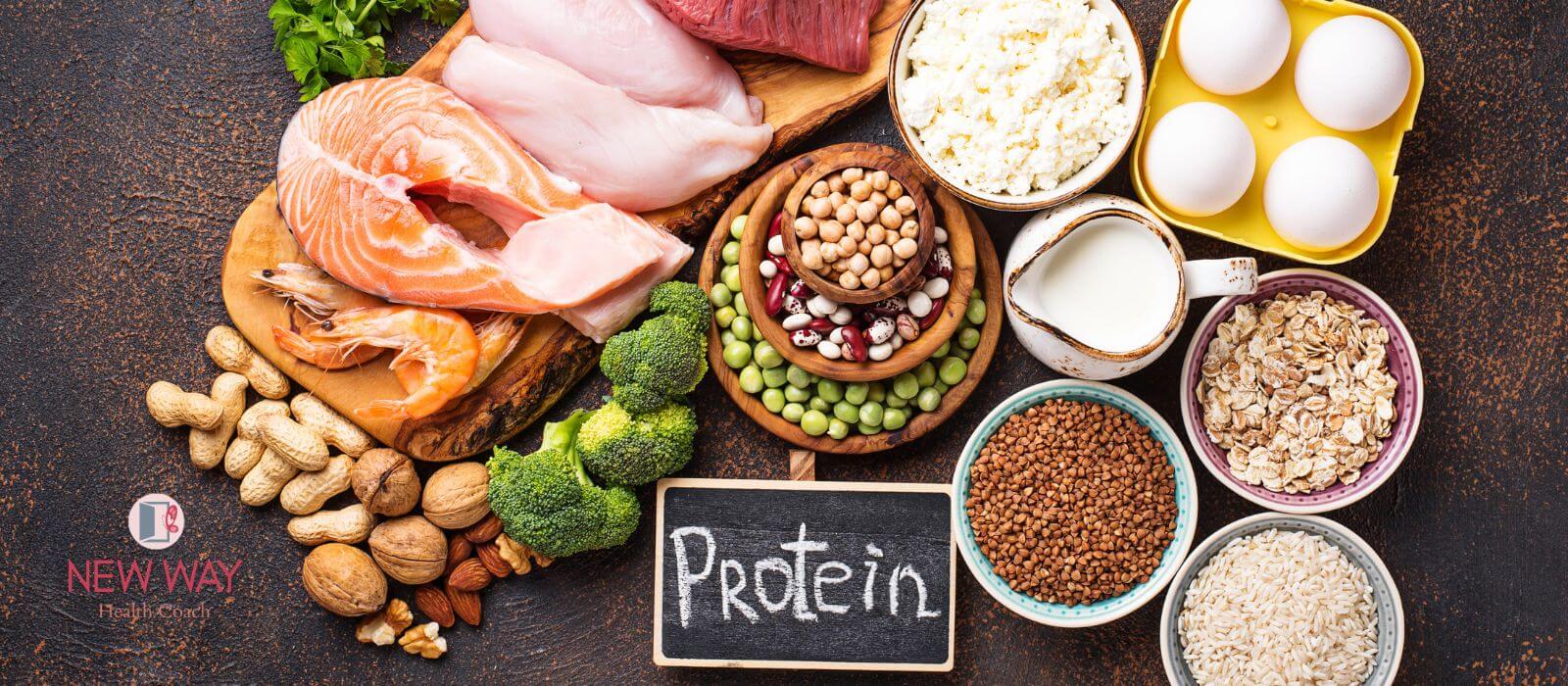
Protein is one of the most talked-about nutrients in health and wellness right now—and for good reason. It plays a vital role in building and repairing muscle, supporting hormones, balancing blood sugar, maintaining energy, supporting immune function, and helping you stay fuller longer. Our clients are shocked at how the simple focus of increasing protein can alleviate afternoon and evening cravings!
But how much protein do you actually need each day? The answer depends on several factors, including your activity level, age, body composition goals, and whether you prefer animal-based or plant-based nutrition.
Let’s break it down into practical, real-life guidance so you can better understand what works best for your body.
Why Protein Matters
Protein is made up of amino acids, often referred to as the “building blocks” of the body. These amino acids support:
- Muscle growth and repair
- Hormone production
- Immune system function
- Skin, hair, and nail health
- Stable blood sugar levels
- Satiety and appetite control
- Healthy metabolism and body composition
Many people underestimate their daily protein needs, especially women, active adults, and those navigating midlife hormonal shifts.
How Much Protein Do You Need Daily?
Protein needs vary depending on lifestyle and activity level. While the minimum recommended daily intake exists to prevent deficiency, optimal health often requires more.
General Daily Protein Guidelines
A simple rule of thumb is to aim for approximately:
- Sedentary adults: 1.0 grams of protein per kilogram of body weight (if you are able with no disability, please don’t be in this category!)
- Moderately active adults: 1.3–1.8 grams per kilogram of body weight
- Highly active individuals or strength training: 2.0 and higher grams per kilogram of body weight
- Adults focused on fat loss or muscle maintenance: 1.6–2.2 grams per kilogram of body weight
Protein Needs for Women
Women often benefit from prioritizing protein throughout the day, especially when supporting hormones, metabolism, and muscle mass.
A general range for women may look like:
- Sedentary woman: 60–80 grams daily
- Moderately active woman: 80–125 grams daily
- Highly active woman: 125 + grams daily
Women in perimenopause and menopause may benefit from increased protein intake to help maintain lean muscle mass, support bone health, and stabilize blood sugar.
Protein Needs for Men
Men generally require slightly more protein due to larger muscle mass and body size.
A general range for men may look like:
- Sedentary man: minimum 100 grams daily
- Moderately active man: 100–180 grams daily
- Highly active man: 180 + grams daily
Athletes, weightlifters, or those focused on muscle gain may need higher amounts depending on training demands.
How to Distribute Protein Throughout the Day
One of the biggest mistakes people make is consuming very little protein at breakfast and lunch, then eating most of it at dinner.
Instead, aim to spread protein intake evenly across meals. I will repeat this…spread protein through the day with high amount in the morning!
A Balanced Daily Protein Strategy
- Breakfast: 30 grams
- Lunch: 30 + grams
- Dinner: 30+ grams
- Snacks: 15 + grams as needed
Distributing protein more evenly may help with:
- Improved energy
- Better appetite control
- Muscle repair and recovery
- Blood sugar balance
- Reduced cravings
Animal-Based Protein Sources
Animal proteins are considered complete proteins because they contain all essential amino acids.
Quality Animal Protein Options
- Eggs
- Chicken breast
- Turkey
- Grass-fed beef
- Bison
- Elk
- Lean steak
- Wild-caught fish
- Salmon
- Sardines
- Greek yogurt
- Cottage cheese
- Shrimp
- Bone broth
- Collagen peptides (supportive but not a complete protein source)
Approximate Protein Content
- 3 ounces chicken breast: ~25 grams
- 2 eggs: ~12 grams
- Greek yogurt (1 cup): ~18–20 grams
- Salmon (4 ounces): ~25 grams
- Cottage cheese (1 cup): ~25 grams
Plant-Based Protein Sources
Plant-based proteins can absolutely support health goals when combined strategically.
Many plant proteins are incomplete on their own, meaning they may lack one or more essential amino acids. Pairing a variety of plant foods throughout the day helps create a balanced amino acid profile.
Excellent Plant-Based Protein Options
- Lentils
- Chickpeas
- Black beans
- Tempeh
- Tofu
- Edamame – one of my favorites!
- Hemp seeds – love these seeds options!
- Chia seeds
- Pumpkin seeds
- Quinoa
- Nutritional yeast
- Pea protein powder
- Nuts and nut butters – careful on quantity, it’s a saturated fat!
- Oats paired with seeds or protein powder
Approximate Protein Content
- Lentils (1 cup cooked): ~18 grams
- Tofu (4 ounces): ~10–15 grams
- Tempeh (3 ounces): ~16 grams
- Edamame (1 cup): ~17 grams
- Hemp seeds (3 tablespoons): ~10 grams
Protein and Activity Level: Matching Intake to Your Lifestyle
Sedentary Lifestyle
If you sit most of the day or engage in minimal movement, protein still matters for preserving muscle mass and maintaining metabolism.
Focus on:
- Consistent protein at each meal
- Balanced portions
- Preventing muscle loss as you age by moving from sedentary to moderate activity if possible
Moderate Activity
If you walk regularly, take fitness classes, practice yoga, or stay active several times per week, your body benefits from additional protein for recovery and maintenance.
Focus on:
- Protein after workouts
- Protein-rich snacks
- Stable blood sugar support
Highly Active or Strength Training
If you exercise intensely, lift weights, run, cycle, or participate in endurance training, protein intake becomes essential for repair and recovery.
Focus on:
- Post-workout protein
- Increased meal portions
- Recovery support
- Muscle repair and growth
Don’t Forget Fiber: Protein Needs a Partner
While protein gets much of the attention, fiber is equally important.
Protein supports muscle, hormones, and satiety, while fiber supports digestion, gut health, detoxification, blood sugar regulation, and fullness.
One of the best ways to support overall health is to pair protein with non-starchy vegetables.
Examples of Fiber-Rich Non-Starchy Vegetables
- Leafy greens
- Broccoli
- Cauliflower
- Zucchini
- Cucumbers
- Bell peppers
- Mushrooms
- Asparagus
- Brussels sprouts
- Green beans
- Cabbage
- Arugula
- Radishes
A simple plate-building method is:
- Half your plate: non-starchy vegetables
- One-quarter: protein
- One-quarter: healthy carbohydrates or starches
- Add healthy fats for balance
The Bottom Line
Protein is not one-size-fits-all. Your ideal intake depends on your goals, activity level, body composition, age, and overall health.
The key is finding the right balance for your body—not following someone else’s trends or extremes.
Protein supports strength, energy, hormones, metabolism, blood sugar balance, and long-term wellness.
And when paired with fiber-rich vegetables, healthy fats, and mindful eating habits, it becomes part of a sustainable approach to feeling your best.
Need Help Navigating Protein, Nutrition, and Your Health Goals?
Understanding how much protein your body needs can feel confusing—especially with changing health goals, hormone shifts, gut health concerns, or weight management challenges.
That’s where personalized guidance makes all the difference.
At New Way Health Coach, our coaching team works alongside you to create a realistic, individualized wellness plan that supports your body, lifestyle, and long-term goals.
We help clients navigate:
- Protein and nutrition planning
- Blood sugar balance
- Hormone health
- Gut health and digestion
- Weight management
- Energy and metabolic support
- Lifestyle habits that create lasting change
You do not have to figure it all out alone.
Working with a trusted health partner gives you accountability, education, and a personalized strategy designed specifically for you.