Are you constantly tired, struggling with brain fog, feeling weak, or noticing that you get short of breath more easily than you used to?
Before you assume it’s “just stress,” aging, poor sleep, or hormonal changes, there may be another piece of the puzzle worth investigating: your iron levels.
Iron is an essential mineral that helps your body make hemoglobin, the protein in red blood cells responsible for carrying oxygen throughout your body. When iron levels are too low, your body may struggle to deliver enough oxygen to your tissues—which can leave you feeling depleted.
First Step: Get Your Iron Levels Checked
If you suspect your iron may be low, don’t guess—get tested.
Talk with your healthcare provider about whether iron testing is appropriate for you. Depending on your symptoms and health history, your doctor may recommend labs such as:
- Complete blood count (CBC)
- Ferritin
- Serum iron
- Total iron-binding capacity (TIBC)
- Transferrin saturation
It’s important to understand that low iron isn’t always the result of simply not eating enough iron-rich foods. Low levels can be related to inadequate dietary intake, reduced absorption, blood loss, certain medical conditions, or other underlying factors.
For women, particularly those experiencing heavy menstrual bleeding, iron deficiency can be more common. And after menopause, unexplained iron deficiency deserves medical attention because your healthcare provider may want to investigate potential causes.
The bottom line: Find out why your iron is low—not just how to raise the number.
What Are the Signs of Low Iron?
Symptoms can vary from person to person, but possible signs of iron deficiency or iron-deficiency anemia may include:
- Persistent fatigue or low energy
- Weakness
- Brain fog or difficulty concentrating
- Headaches
- Dizziness or lightheadedness
- Feeling cold frequently
- Shortness of breath, especially with activity
- Heart palpitations or a racing heartbeat
- Pale skin
- Brittle nails or increased hair shedding
- Reduced exercise tolerance
Some people may have low iron stores before developing full-blown anemia, so you can potentially experience symptoms even when your hemoglobin hasn’t dropped significantly.
That’s another reason why discussing ferritin and your complete iron picture with your healthcare provider can be helpful.
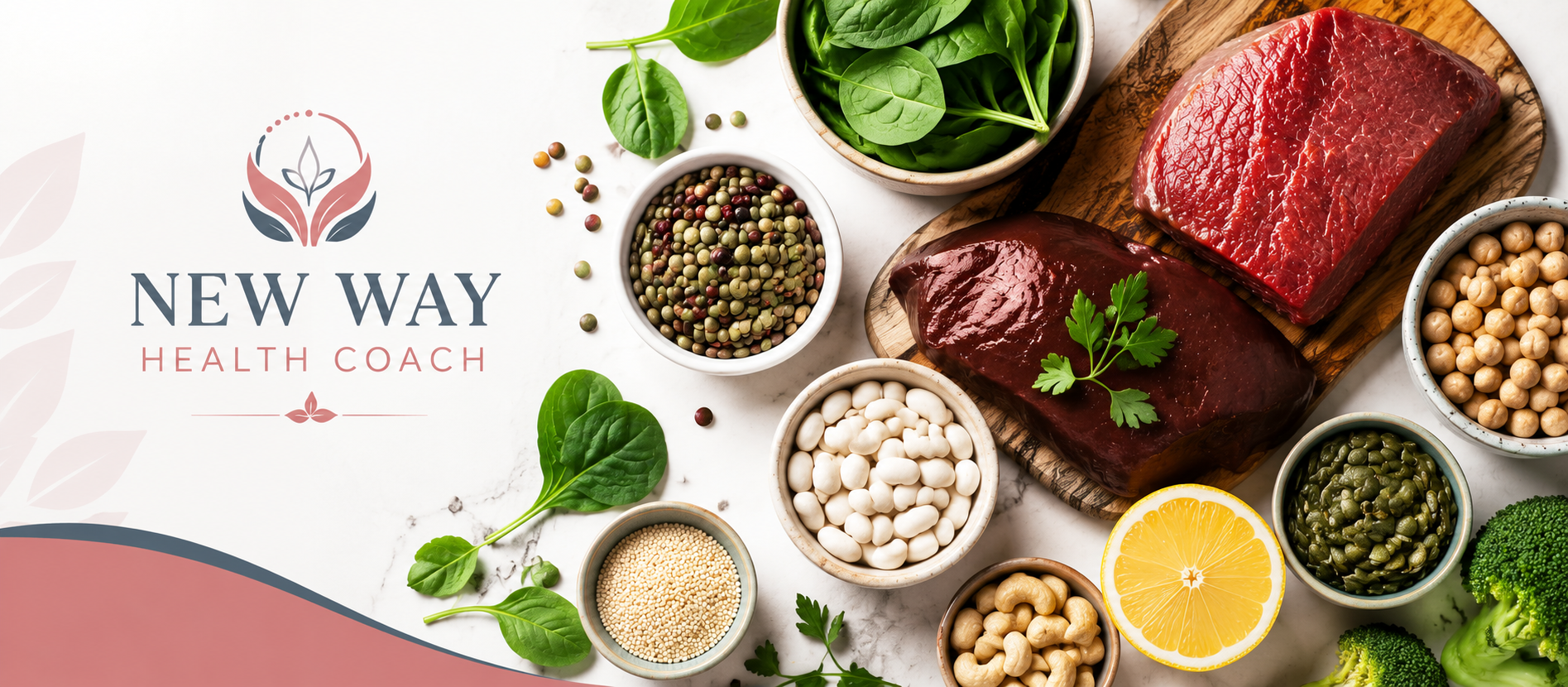
One of the Best Ways to Increase Iron Naturally? Start With Food.
Once you’ve confirmed that your iron levels are low and you’ve discussed the appropriate approach with your healthcare provider, food can play an important role.
There are two main forms of dietary iron:
Heme iron is found in animal foods and is generally absorbed more efficiently by the body.
Good sources include:
- Beef
- Lamb
- Dark meat poultry
- Sardines
- Oysters and other shellfish
- Liver and other organ meats
Non-heme iron is found primarily in plant foods, including:
- Lentils
- Beans
- Tofu
- Pumpkin seeds
- Spinach
- Sesame seeds
- Quinoa
Here’s a simple food strategy:
Pair an iron-rich food with a vitamin C-rich food to help support iron absorption.
For example:
Lean beef + roasted red peppers
Lentils + tomatoes
Spinach + strawberries
Chickpeas + lemon
Pumpkin seeds + kiwi
This simple combination can help make your meals more supportive of healthy iron status.
Be Mindful of What You Eat With Iron-Rich Meals
Some foods and beverages can interfere with the absorption of non-heme iron when consumed at the same time.
If you’re actively trying to improve your iron status, consider separating iron-rich meals from:
- Coffee
- Tea
- Large amounts of calcium-rich foods or calcium supplements
You don’t necessarily need to eliminate these foods. Instead, timing may matter. Enjoy your coffee or tea between meals rather than immediately alongside your most iron-rich meals.
Don’t Forget About Gut Health
You can eat an iron-rich diet, but if your digestive system isn’t absorbing nutrients effectively, you may still struggle with low levels.
Conditions affecting the gastrointestinal tract—including celiac disease and certain other digestive disorders—can interfere with nutrient absorption.
If your iron remains low despite improving your diet, talk with your healthcare provider about whether additional evaluation may be appropriate.
A Note About Iron Supplements
More iron isn’t always better.
Taking iron supplements without confirming that you actually need them can potentially cause side effects and may not address the underlying reason your iron is low.
That’s why I recommend this approach:
Test → Understand the Cause → Create a Plan → Recheck
If your healthcare provider recommends supplementation, follow their guidance on the appropriate type and dose. Your needs may vary depending on your lab results, symptoms, diet, age, and overall health.
Your Energy Is Worth Investigating
If you’ve been feeling exhausted for months and telling yourself, “I just need to push through,” it’s time to pause and listen to your body.
Fatigue can have many causes—including sleep issues, stress, thyroid dysfunction, nutrient deficiencies, hormonal changes, blood sugar imbalances, and more. Low iron may be one piece of the puzzle.
Don’t self-diagnose. Don’t guess. Get your levels checked.
And if your iron is low, work with your healthcare provider to understand why and then build a nutrition and lifestyle strategy that supports your body’s needs.
Your body is always giving you information.
Sometimes, the first step toward feeling better is simply learning how to listen.
Want to learn more about nutrition, hormone health, energy, and sustainable wellness? Follow New Way Health Coach for practical, functional wellness strategies designed to help you feel better, live better, and move forward in a new way.
#IronDeficiency #IronRichFoods #WomensHealth #FunctionalWellness #HealthyAging