When we talk about essential nutrients, we hear a lot about protein, vitamin D, magnesium, omega-3s, and B vitamins.
But there’s another nutrient that deserves the spotlight: choline.
Choline plays an important role in your brain, nervous system, liver, cell membranes, and overall health. And while your body can make some choline on its own, it doesn’t make enough to meet your needs—which means you need to get the rest from your diet.
The good news? Choline is found in many everyday foods, and getting more doesn’t have to be complicated.
What Exactly Is Choline?
Choline is an essential nutrient that is sometimes grouped with the B vitamins because of its similar functions in the body, although it is not technically a B vitamin.
Your body needs choline to produce acetylcholine, a neurotransmitter involved in memory, learning, attention, muscle movement, and communication between nerve cells. Are you starting to see why I’m talking about this?
Choline is also essential for:
- Brain health and cognitive function
- Memory and focus
- Healthy nervous system function
- Liver health and fat metabolism
- Maintaining healthy cell membranes
- Methylation and many important metabolic processes
- Normal muscle function
- Healthy fetal brain and nervous system development during pregnancy
Despite all of these important roles, choline is one of those nutrients that simply gets dismissed.
Why Should We Pay More Attention to Choline?
One reason choline deserves more attention is that many people may not be consuming enough.
Choline needs can also vary depending on age, sex, pregnancy, and other individual factors. For women, choline becomes particularly important during pregnancy because of its role in fetal brain and nervous system development.
As we age, maintaining adequate nutrition to support brain health, memory, liver function, and muscle health becomes increasingly important. That makes choline a nutrient worth keeping on your radar.
And here’s something else to consider, you don’t have to wait until you have a deficiency to pay attention to your intake. Building a nutrient-dense diet is about creating a strong foundation for your health before problems arise.
What Might It Feel Like If You’re Not Getting Enough?
A true choline deficiency is relatively uncommon, but inadequate intake can still be a concern, especially for people whose diets are low in choline-rich foods.
Because choline is involved in so many systems, inadequate intake may be associated with symptoms such as:
- Fatigue or low energy
- Difficulty with memory or concentration
- Brain fog
- Muscle weakness
- Mood changes
- Difficulty recovering from physical stress
- Changes in liver health or fat metabolism
Of course, these symptoms can have many different causes. Feeling tired or foggy doesn’t automatically mean you need more choline.
But if you’re experiencing persistent brain fog, memory issues, fatigue, or other unexplained symptoms, it’s worth looking at your overall nutritional intake rather than focusing on just one nutrient.
How Much Choline Do You Need?
The recommended adequate intake for adults is approximately:
- Women: 425 mg per day
- Men: 550 mg per day
- Pregnancy: 450 mg per day
- Breastfeeding: 550 mg per day
These are general recommendations, and individual needs can vary.
The great thing about choline is that you can often get a significant amount through food without needing a complicated supplement routine.
The Best Food Sources of Choline
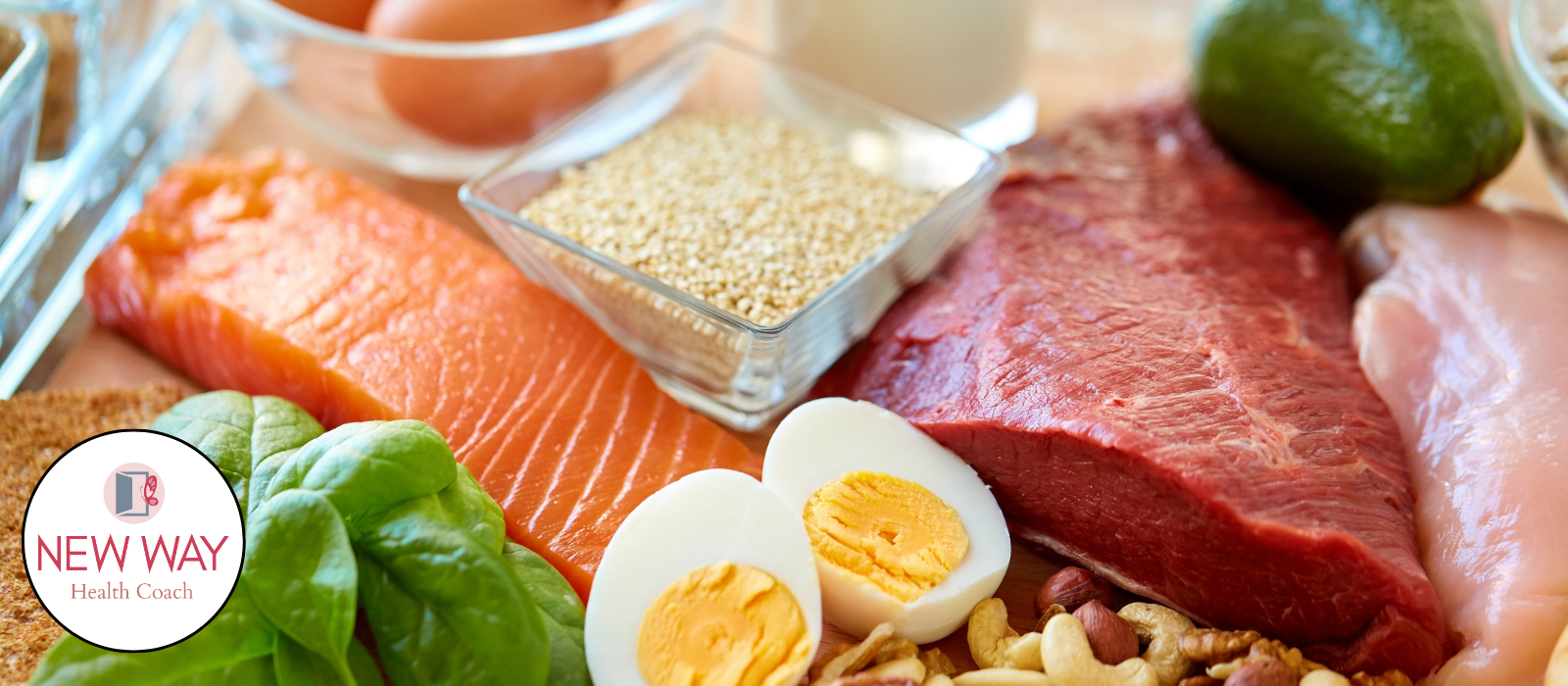
One of the easiest ways to increase your choline intake is to include a variety of choline-rich foods throughout the week.
Eggs
Eggs are one of the most accessible sources of choline, with the majority found in the yolk.
One large egg provides roughly 150 mg of choline, making eggs an easy way to add a meaningful amount to your daily intake.
If you tolerate eggs, consider enjoying them as part of breakfast, lunch, or dinner.
Beef and Other Meats
Beef and other meats can contribute significant amounts of choline to the diet.
If you eat animal proteins, incorporating foods like beef, chicken, turkey, and other meats can help support your overall intake.
Fish and Seafood
Fish can be another excellent source of choline while also providing protein and other important nutrients.
Salmon, cod, and other fish can be easy additions to a nutrient-dense diet.
Soybeans and Soy Foods
If you follow a plant-based diet, soy foods can help contribute to your choline intake.
Soybeans, tofu, and other soy-based foods can be incorporated into meals in a variety of ways.
Dairy Products
Milk and other dairy products provide smaller amounts of choline that can add up throughout the day.
If you include dairy in your diet, foods like milk and yogurt can help contribute to your overall intake.
Cruciferous Vegetables
Vegetables such as broccoli, Brussels sprouts, and cauliflower contain choline as well.
While they aren’t as concentrated a source as eggs or meat, they can still contribute to your total intake—especially when you’re eating a variety of whole foods.
Beans, Nuts, and Seeds
Legumes, nuts, and seeds can also provide choline in smaller amounts.
Adding foods like beans, peanuts, and certain seeds to your meals is another way to build a more diverse, nutrient-rich diet.
A Simple Day of Choline-Rich Foods
You don’t need to obsess over every milligram of choline.
Instead, focus on building meals around nutrient-dense whole foods.
For example:
Breakfast: Two eggs with sautéed spinach and avocado
Lunch: Large salad with grilled chicken, chickpeas, and vegetables
Snack: Greek yogurt with berries and nuts
Dinner: Baked salmon with roasted Brussels sprouts and quinoa
By eating a varied diet that includes protein, eggs, fish, legumes, vegetables, nuts, and seeds, you can naturally incorporate a variety of choline-containing foods.
Should You Take a Choline Supplement?
Not necessarily.
Food should generally be your first source of nutrients whenever possible. However, some people may have higher nutritional needs or dietary restrictions that make it more difficult to get enough choline through food.
Before adding a supplement, it’s important to consider your overall diet, health history, medications, and individual needs. More isn’t always better, and high doses of choline can cause unwanted side effects.
This is one reason why personalized nutrition can be so valuable.
Choline is one more reminder that sometimes the nutrients we hear the least about can still play a very important role in helping us feel and function at our best.
At New Way Health Coach, we believe there is no one-size-fits-all approach to health. Your nutrition should support your body, your lifestyle, and your goals.
Sometimes, the first step toward feeling better is simply discovering what your body may be missing.
#Choline #BrainHealth #WomensHealth #FunctionalNutrition #HealthyAging